As temperatures rise and outdoor meals become part of summer fun, food safety becomes more important than ever. Warm, humid weather allows harmful bacteria to grow quickly, especially when food is prepared, transported, or served away from the safety of a kitchen. Whether you are planning a picnic, barbecue, camping trip, or family gathering, following a few simple food safety steps can help prevent foodborne illness and keep everyone healthy. Here are simple steps to keep food safe in the summertime.
Clean: Wash Hands and Surfaces
Wash your hands with soap and water before preparing, serving, or eating food, and after handling raw meat, using the bathroom, touching pets, or working with outdoor surfaces. When eating away from home, pack clean water, hand sanitizer, disposable wipes, paper towels, and extra utensils so you can keep hands, tables, cutting boards, and serving areas clean.
Separate: Prevent Cross-Contamination
Keep raw meat, poultry, seafood, and eggs separate from foods that are already cooked or ready to eat. Pack raw foods in sealed containers or plastic bags so juices cannot leak onto other items. Use separate cutting boards, plates, and utensils for raw and cooked foods, and never place cooked food on a plate that previously held raw meat unless it has been washed first.
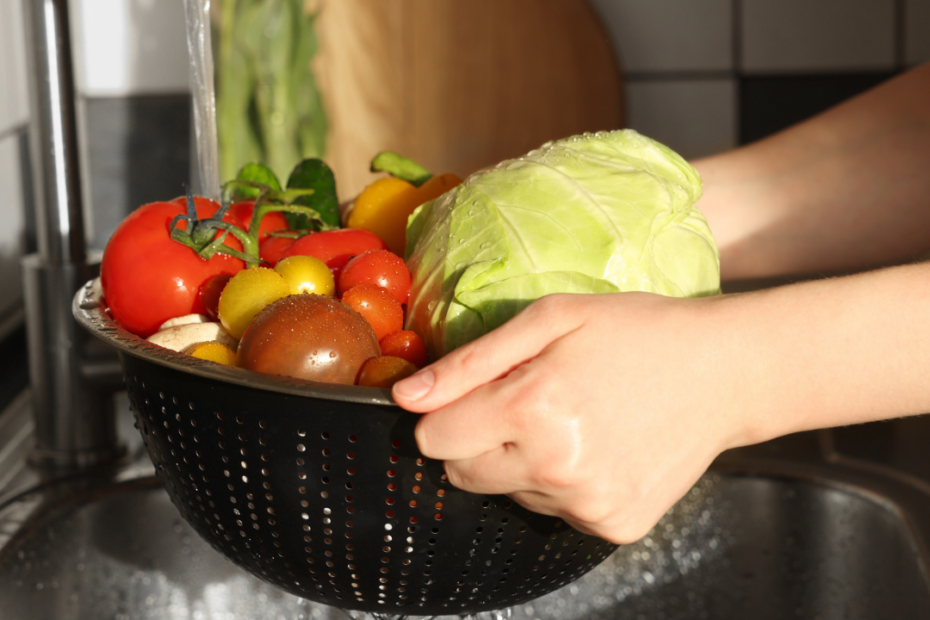
Wash Produce: Rinse Fruits and Vegetables
Rinse fresh fruits and vegetables under running water before eating, cutting, or cooking them, even if you do not plan to eat the peel or skin. Scrub firm produce, such as melons, cucumbers, and potatoes, with a clean produce brush, then dry with a clean paper towel or cloth towel. Do not use soap, detergent, bleach, or commercial produce washes, and cut away bruised or damaged areas before serving. The FDA advises against using commercial produce washes because the safety of their residues has not been evaluated and their effectiveness has not been tested or standardized.
Cook: Use Safe Internal Temperatures
Use a food thermometer to make sure meat, poultry, seafood, and leftovers reach safe internal temperatures, especially when grilling. Insert the thermometer into the thickest part of the food, away from bone or fat, and do not rely only on color, texture, or grill marks to decide whether food is done.
Chill: Keep Cold Foods Cold
Keep perishable foods cold until they are ready to be served. Pack them in an insulated cooler with plenty of ice, frozen gel packs, or frozen water bottles, and keep the cooler in the shade whenever possible. Refrigerate leftovers promptly, and do not leave food out for more than two hours—or more than one hour when the temperature is above 90°F. When in doubt, throw it out.
Recommended finished cooking temperatures:
- Chicken and turkey, including whole birds, pieces, and ground poultry: 165°F
- Ground beef, pork, veal, or lamb: 160°F
- Beef, pork, lamb, or veal steaks, roasts, and chops: 145°F, then rest for 3 minutesFish and seafood: 145°F
- Hot dogs and reheated leftovers: 165°F
By keeping food safety in mind, you can enjoy all the best parts of summer meals without putting yourself or others at risk. Remembering the simple steps—clean, separate, wash produce, cook, and chill—can help prevent foodborne illness whether you are grilling in the backyard, packing a picnic, or heading out for a day of outdoor fun. With a little planning and care, your summer meals can be both safe and enjoyable.
Sources:
- Foodborne Illness Peaks in Summer – What can you do to prevent it?, United States Department of Agriculture
- Food Safety while Camping, Hiking and Boating, United States Department of Agriculture (USDA)
- FDA. Safe Handling of Raw Produce and Fresh-Squeezed Fruit and Vegetable Juices. U. S. Food and Drug Administration
Content submitted by Janyce Gately MS, RD, LDN, CHC
For personalized guidance on healthy eating and lifestyle modifications contact our dietitian Registered Dietitian, Janyce.