As we age, weight management can become more challenging, and metabolism often gets the blame. While factors such as genetics, muscle mass and physical activity play a major role in how efficiently our bodies burn calories, how we eat also matters. Certain foods may help support metabolic health when included as part of a balanced eating pattern.
Incorporating the foods below into your daily meals may help promote fullness, stabilize blood sugar and support the body’s natural fat-burning process. As always, portion size is important—what we eat matters, but how much we eat matters too.
Beans
Dried beans contain a carbohydrate known as “resistant starch,” which digests slowly and helps promote a feeling of fullness. This slower digestion can lead to a steadier rise in blood sugar, which may help the metabolism function more efficiently. Beans are also high in fiber and plant based protein, making them a satisfying and nutritious addition to meals.
Berries
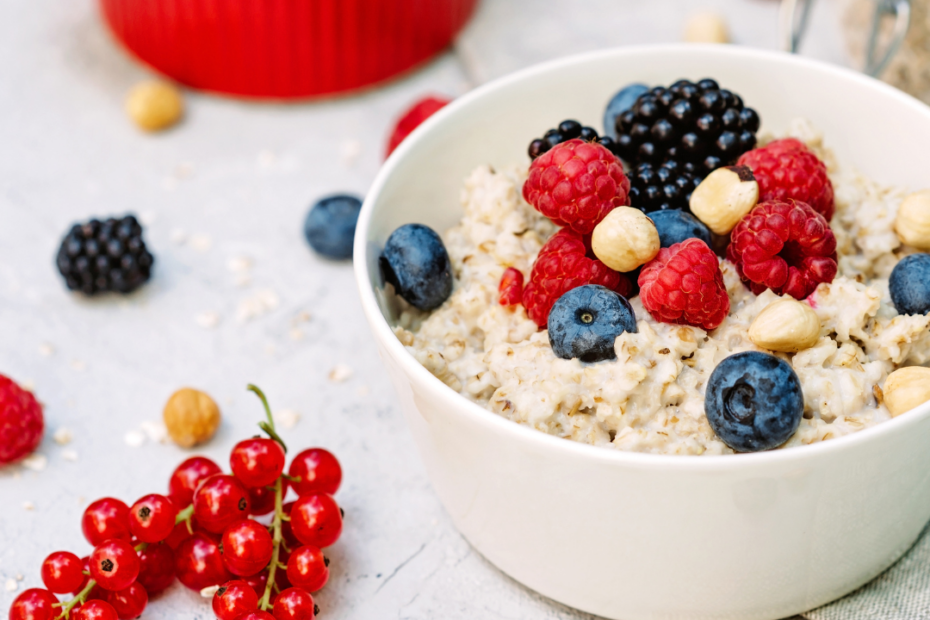
Berries are rich in compounds called anthocyanins, which give them their deep red, blue and purple color. Some research suggests these compounds may help support metabolic health. Berries may also play a role in reducing inflammation and supporting healthy blood sugar regulation, both which are important for overall metabolic function. and leptin resistance.
Garlic
A member of the allium family, garlic contains glutathione, an antioxidant that helps the liver process and remove certain compounds that may interfere with normal hormone balance. Garlic has also been associated with appetite regulation. Research published in nutrition journals suggests that compounds in garlic may help support fat metabolism by stimulating processes involved in fat burning..
Cruciferous Vegetables
Cruciferous vegetables—such as broccoli, cauliflower, Brussels sprouts, cabbage and kale—are high in fiber and water. This combination helps promote fullness while providing relatively few calories. Their nutrient density and fiber content may support digestion and help the body burn calories more efficiently as part of an overall healthy diet.
Chili Peppers
Chili peppers contain capsaicin, a naturally occurring compound responsible for their heat. Capsaicin has been shown to temporarily increase metabolic rate and may help reduce appetite. Cayenne pepper, a ground form of chili pepper, has also been studied for its potential metabolism-supporting effects. The heat produced by capsaicin may help the body burn slightly more calories after a meal.
Ginger
Ginger has been studied for its potential thermogenic effects, meaning it may slightly increase heat production and calorie burn. It may also support digestion and appetite regulation
Green Tea
Green tea contains caffeine and catechins, compounds that have been shown to temporarily increase energy expenditure and support fat oxidation. While the effects are modest, regular consumption may contribute to metabolic support when combined with a healthy lifestyle.
The Bottom Line
No single food can dramatically boost metabolism or guarantee weight loss on its own. However, regularly including these foods as a part of a balanced diet – along with adequate protein intake, regular physical activity and healthy lifestyle habits – may help support metabolic health over time. Small consistent changes often make the biggest difference.
Spicy Garlic Bean & Veggie Bowl (Serves 2–3)
• 1 1/2 cups cooked beans, drained and rinsed
• 2 cups chopped cruciferous vegetables (broccoli, cauliflower, or Brussels sprouts)
• 2 cloves garlic, minced
• 1 teaspoon fresh ginger or 1/2 teaspoon ground ginger
• 1 tablespoon olive oil
• 1/2 teaspoon chili flakes or cayenne pepper (adjust to taste)
• 1/2 teaspoon smoked paprika
• Salt and pepper, to taste
• Optional toppings: fresh herbs, lemon juice, plain Greek yogurt, or avocado slices
Heat olive oil in a large skillet over medium heat. Add garlic and cook for about 30 seconds, until fragrant. Stir in the cruciferous vegetables and sauté for 5–7 minutes, until tender but still slightly crisp. Add the beans, chili flakes, smoked paprika, salt, and pepper. Cook for another 3–5 minutes, stirring occasionally, until heated through. Finish with a squeeze of lemon juice if desired and serve warm. Top with fresh herbs or a dollop of Greek yogurt for added protein.
Why It Works
This balanced bowl provides fiber and plant‑based protein to promote fullness, along with capsaicin-containing spices and nutrient‑dense vegetables that support overall metabolic health. It’s an easy lunch or dinner option that’s both satisfying and nourishing.
Berry‑Ginger Protein Oat Bowl (Serves 1)
• 1/2 cup rolled oats
• 1 cup milk or plant based milk
• 1/2 cup mixed berries (fresh or frozen)
• 1 tablespoon ground flaxseed or chia seeds
• 1 tablespoon chopped walnuts or almonds
• 1/4 teaspoon ground ginger or 1 teaspoon freshly grated ginger
• 1/4 teaspoon cinnamon
• Optional Protein Boost: 1/4 cup plain Greek yogurt OR 1 scoop unflavored or vanilla protein powder
• Optional: green tea or coffee, served alongside
In a small saucepan, combine oats and milk. Cook over medium heat, stirring occasionally, until oats are soft and creamy (about 5 minutes). Stir in ginger and cinnamon. Remove from heat and fold in berries, allowing them to warm through. Top with flaxseed, nuts, and Greek yogurt or protein powder if using. Serve warm, with green tea or coffee if desired.
Why It Works
Oats are a whole grain rich in fiber, which slows digestion and supports stable blood sugar. Protein increases the thermic effect of the meal and helps maintain lean muscle. Berries provide antioxidants that may support metabolic and inflammatory pathways. Ginger and cinnamon offer mild thermogenic and digestive support. Nuts and seeds add healthy fats and fiber for satiety.
Content submitted by Janyce Gately MS, RD, LDN, CHC
For personalized guidance on heart healthy eating and lifestyle modifications contact our dietitian Registered Dietitian, Janyce.